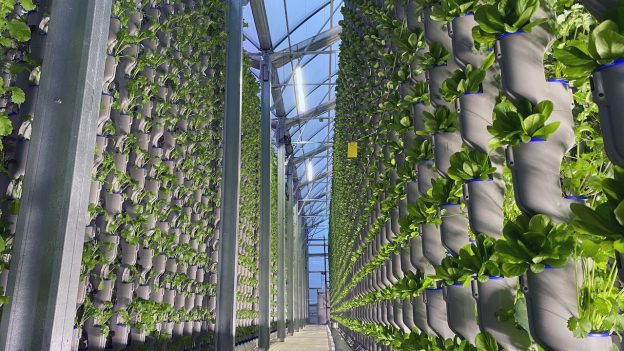
Aquaponic hydroponics is a groundbreaking agricultural technique that combines aquaculture (fish farming) and hydroponics (soilless plant cultivation) in a mutually beneficial system. In this 800-word blog post, we will delve into the world of aquaponic hydroponics, exploring its advantages, components, setup, and how it exemplifies sustainable and efficient farming practices. For more information regarding hydroponic plant one can visit our site https://hydroponicglobal.com.au/.
Understanding Aquaponic Hydroponics:
Aquaponic hydroponics is an ingenious closed-loop system where fish and plants work together harmoniously:
1. Fish Tanks: The system begins with fish tanks where aquatic organisms, such as tilapia, trout, or catfish, are raised. These fish produce waste, primarily in the form of ammonia, through respiration and digestion.
2. Biofiltration: Beneficial bacteria in a biofilter (often a separate chamber or a grow bed) convert the ammonia into nitrites and then into nitrates—a form of nitrogen that plants can absorb as a nutrient.
3. Hydroponic Grow Beds: The nitrates-enriched water is then circulated to hydroponic grow beds, where plants are cultivated. The plants take up the nitrates as nutrients and, in the process, filter the water, removing impurities.
4. Cleaned Water Return: The now purified water is returned to the fish tanks, completing the closed-loop cycle. This recirculation process ensures that the water remains clean and enriched with nutrients for both the fish and the plants.
Advantages of Aquaponic Hydroponics:
1. Resource Efficiency: Aquaponic systems use less water than traditional farming because the water is continuously recycled between the fish and the plants.
2. Reduced Waste: Waste produced by the fish is converted into valuable nutrients for plant growth, minimizing environmental impact.
3. Sustainable Food Production: Aquaponics allows for the cultivation of both protein-rich fish and nutrient-dense plants in a single system, making it an efficient means of food production.
4. Year-Round Cultivation: Aquaponic systems can operate year-round, independent of external weather conditions, ensuring a consistent supply of fresh produce and fish.
5. Space Efficiency: These systems are space-efficient, making them suitable for urban and small-scale agriculture.
Setting Up an Aquaponic Hydroponic System:
Creating an aquaponic hydroponic system involves several key steps:
1. Fish Selection: Choose fish species that are well-suited for aquaponics and match your local climate and water conditions.
2. Fish Tanks: Set up fish tanks or containers where fish are raised. Ensure the tanks have adequate filtration and aeration systems to maintain fish health.
3. Biofiltration: Establish a biofilter, often consisting of a bed of gravel or another suitable medium, to house beneficial bacteria that convert fish waste into plant nutrients.
4. Hydroponic Grow Beds: Create hydroponic grow beds filled with an appropriate growing medium, such as gravel or expanded clay pellets. Plant your chosen crops in these beds.
5. Circulation: Set up a water circulation system that pumps water from the fish tanks to the hydroponic grow beds and back to the fish tanks.
6. Nutrient Monitoring: Regularly monitor the nutrient levels in the water to ensure that they meet the needs of both the fish and the plants.
7. Plant and Fish Care: Care for your plants and fish as you would in separate systems, including pruning, feeding, and disease management.
Maintenance and Care:
Proper maintenance is vital for the success of an aquaponic hydroponic system:
1. Water Quality: Monitor and maintain water quality parameters such as temperature, pH, ammonia, nitrite, and nitrate levels.
2. Fish Health: Keep a close eye on fish health and address any signs of stress or disease promptly.
3. Plant Care: Maintain healthy plant growth by providing adequate light, proper pruning, and addressing any nutrient deficiencies.
4. Biofilter Maintenance: Regularly clean and maintain the biofilter to ensure efficient ammonia conversion.
5. Pest and Disease Control: Monitor plants for signs of pests or diseases and take appropriate measures to prevent or manage issues.
Sustainability and Efficiency:
Aquaponic hydroponics embodies sustainability and efficiency in agriculture:
1. Resource Conservation: These systems use less water and reduce the need for synthetic fertilizers, making them more environmentally friendly.
2. Ecosystem Balance: Aquaponics creates a balanced ecosystem where fish and plants work together, minimizing waste and maximizing productivity.
3. Space Utilization: Aquaponic systems are space-efficient, making them ideal for urban and indoor farming, where space is limited.
In conclusion, aquaponic hydroponics represents a harmonious fusion of aquaculture and hydroponics, providing a sustainable and efficient means of food production. By harnessing the natural processes of fish waste conversion and plant nutrient absorption, aquaponic hydroponic systems exemplify innovative and environmentally responsible agriculture. Whether you’re a hobbyist or a commercial grower, aquaponic hydroponics offers an exciting opportunity to produce both fish and fresh produce in a closed-loop system, reducing waste and enhancing sustainability.